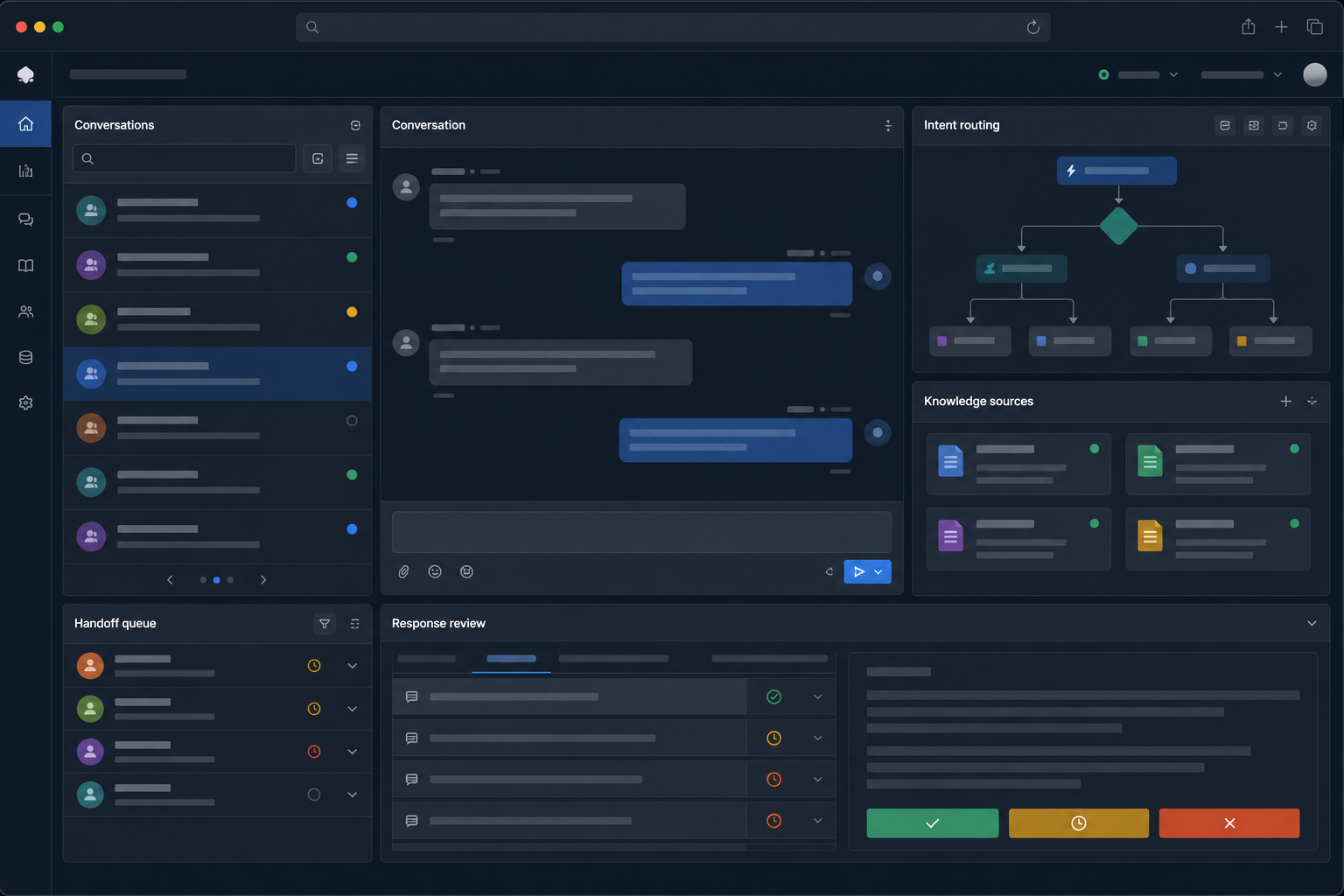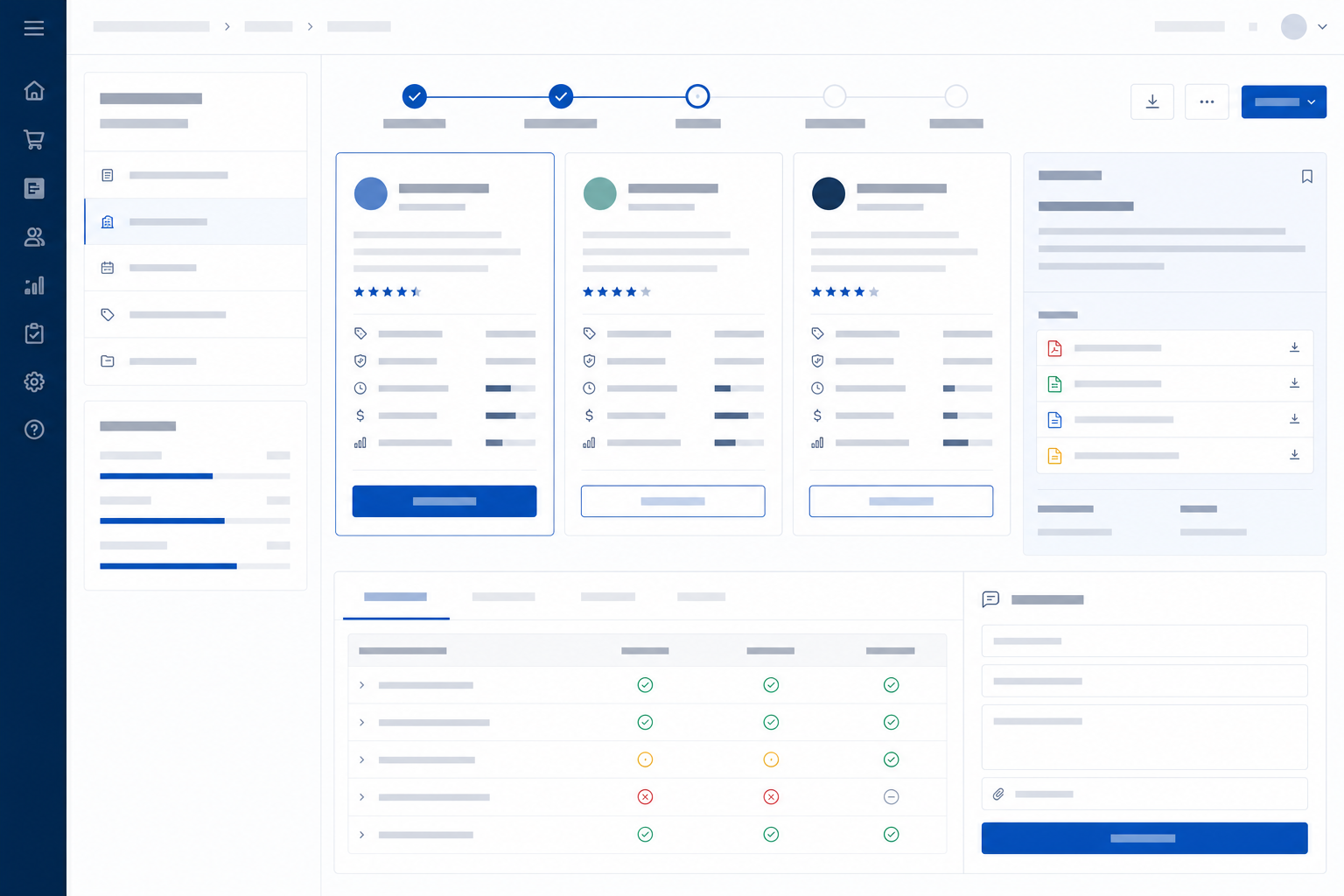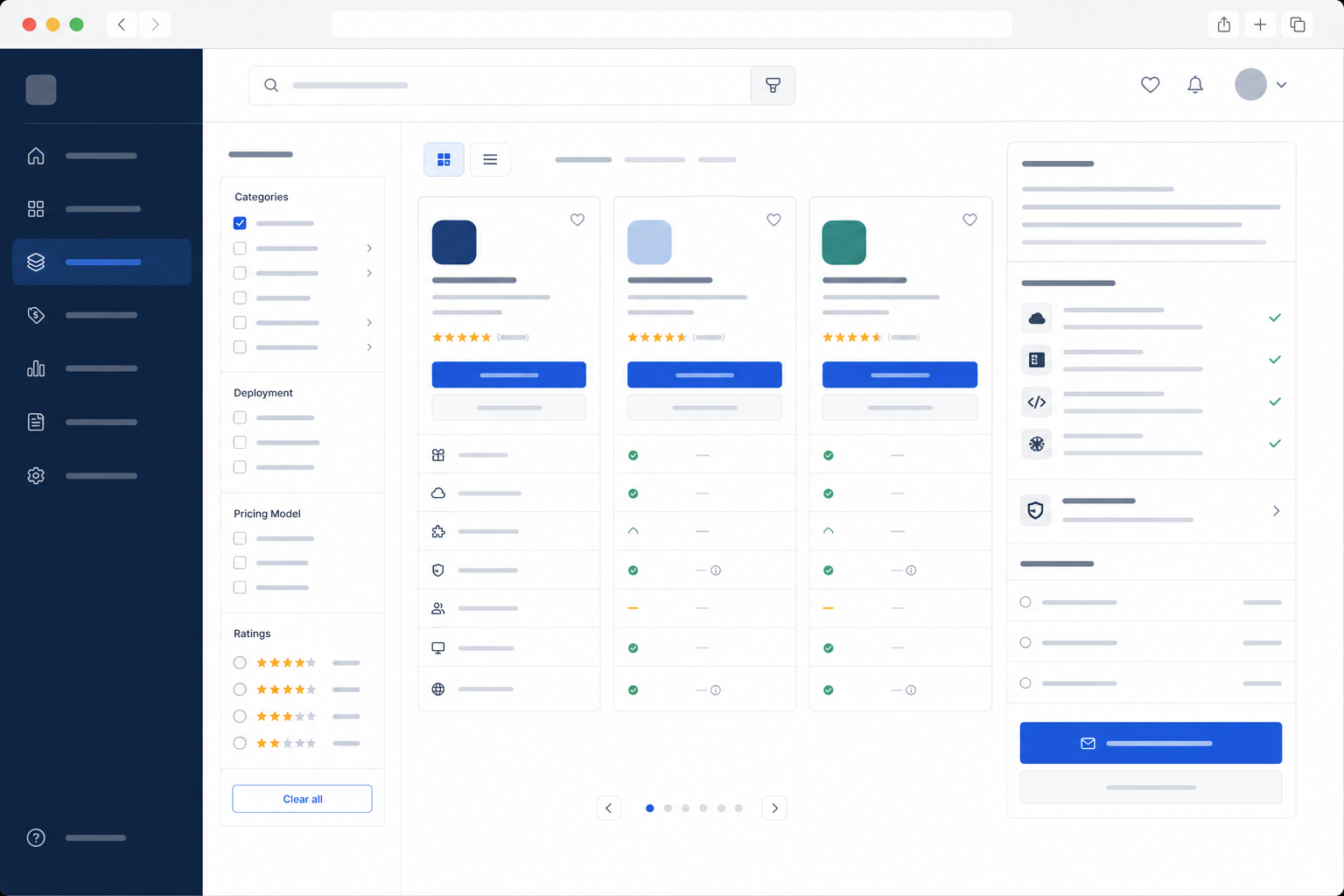
Rental Marketplace Software is a Codeblix implementation scope for teams planning a two-sided rental platform. It maps how owners or suppliers publish rentable items, how customers check availability and request a booking, and how operators control deposits, handovers, returns and exceptions. It is a planning and build route—not a claim that Codeblix operates a live rental marketplace, supplier network or booking business.
Build around the full rental lifecycle
A rental marketplace has to coordinate more than a listing and checkout. The same item moves through availability, reservation, payment or deposit, pickup or delivery, active rental, return inspection and release. The proposed scope keeps those states connected so an operator can see who owns the next action and why an item is—or is not—available.
- Give each supplier a controlled way to submit items, rules, pricing and availability.
- Prevent overlapping confirmed bookings without hiding pending requests.
- Keep deposit, payment, refund and damage decisions separate and auditable.
- Record pickup, delivery, return condition, late return and item-blocking actions.
Map the marketplace workflow before choosing features
The first discovery step identifies the supply model, customer journey and operator responsibilities. A peer-to-peer marketplace, an equipment-rental network and a managed inventory platform can share screens while needing different identity checks, payout rules, calendars and handover evidence. Codeblix uses that operating model to define the roles, records, integrations and acceptance tests before a delivery estimate is confirmed.
What Codeblix can scope for a rental marketplace platform
The implementation can cover supplier onboarding, item categories, searchable listings, location rules, availability calendars, booking requests, notifications, deposits, payments, handover checks and operator review queues. Approved payment, email, storage, maps or identity services can be connected after their ownership, fees and technical limits are confirmed. Mobile apps, split payouts, insurance and logistics are separate scope decisions rather than assumed inclusions.
Choose a hosted platform or a custom build deliberately
A hosted marketplace builder can be the faster route when standard listings, calendars and payments fit the business. A custom build becomes more relevant when the rental lifecycle, ownership rules, regional payment needs, private data or integrations differ materially from a standard template. Codeblix can help document that choice and, where a custom route is justified, prepare a buyer-controlled deployment and handover plan.
Use booking-to-return acceptance tests
Before launch, test an available item, an overlapping request, a cancellation, a late return and a return with damage notes. Each case should preserve the booking history, show the responsible operator and update future availability correctly. Payment and deposit outcomes should be verified with the chosen provider rather than inferred from an internal status.
Prepare the information needed for a useful quote
Share what people rent, who owns the supply, the locations served, the expected booking volume and the required handover process. Also identify payment and deposit rules, supplier payouts, identity checks, notifications, migration needs, deployment target and post-launch support expectations. Codeblix can then reply with a scoped workflow, delivery boundary and the open decisions that affect cost.
Included in Rental Marketplace Software
Rental marketplace discovery brief
A scoped record of suppliers, renters, item types, locations, availability rules, payments and operator responsibilities.
Booking-to-return workflow map
States, owners and exceptions from item submission and reservation through handover, inspection and item release.
Implementation and handover plan
Agreed build boundaries, integrations, deployment ownership, acceptance checks and post-launch responsibilities.
Feature map for Rental Marketplace Software
Supplier and item onboarding
Capture who supplies each item, what may be published and which records require operator review.
Availability and booking control
Keep pending, confirmed, cancelled and active rentals distinct while protecting against overlapping commitments.
Payment and deposit boundaries
Define how payment, deposit, refund and supplier-payout states relate to the selected provider and operator approvals.
Handover and return evidence
Record pickup or delivery, condition notes, return checks, late cases and the decision to release or block an item.
Operator exception queue
Make conflicts, cancellations, damage questions and incomplete supplier actions visible to the responsible reviewer.
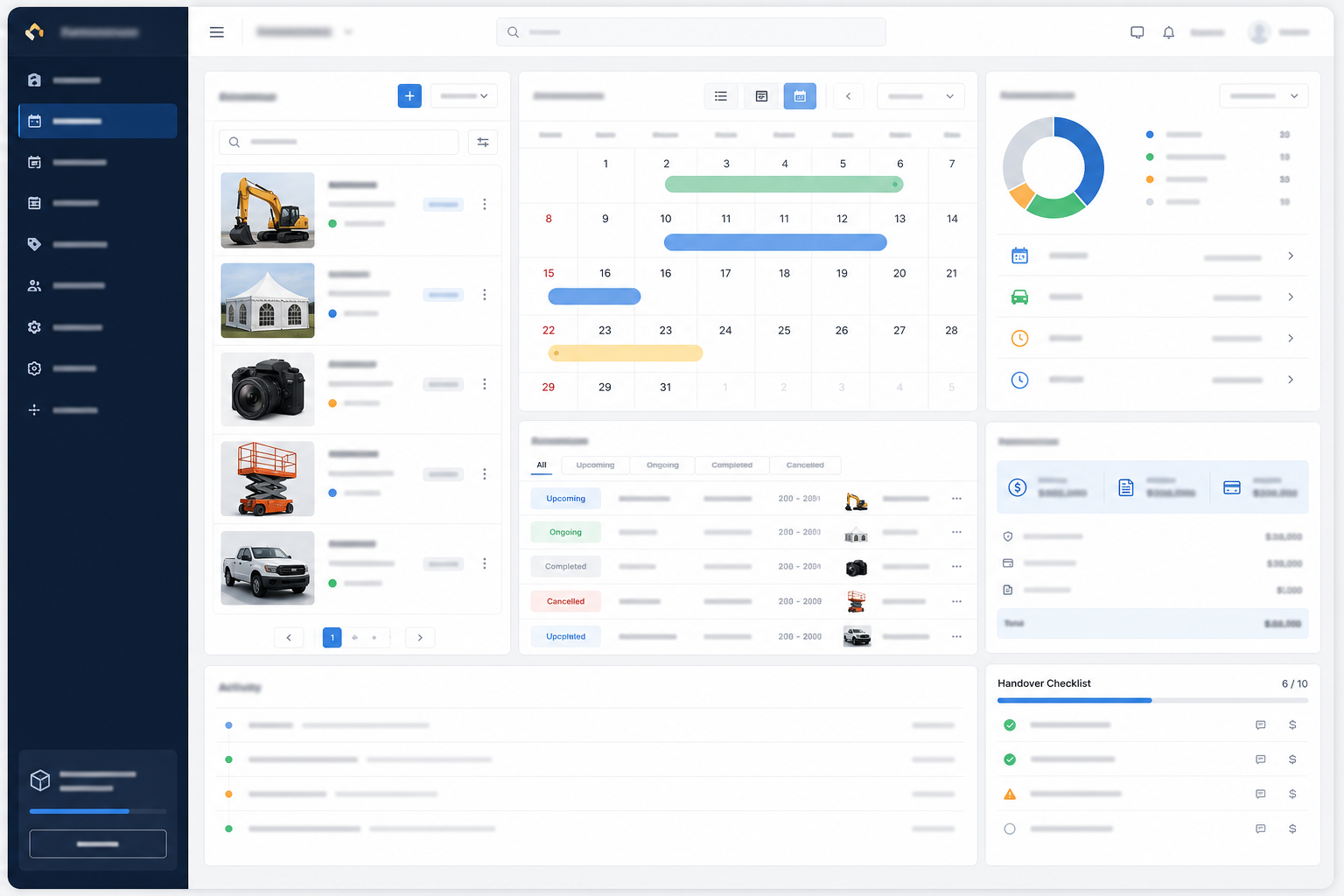
Product gallery
These screens show the intended product direction and core workflows.
Technology selected for Rental Marketplace Software
- Laravel 12
- PHP 8.3+
- React or Blade UI
- TypeScript-ready frontend
- MySQL or PostgreSQL
- REST API-ready architecture
Best fit for Rental Marketplace Software
- Founders validating a peer-to-peer or multi-vendor rental marketplace
- Equipment, vehicle, space or specialist-item rental networks
- Operators replacing disconnected listings, calendars and handover records
- Agencies needing a documented rental-platform scope before development
Commercial paths for Rental Marketplace Software
These are product models a buyer could implement. They are not claims about existing Codeblix revenue.
- Booking commissions disclosed to the relevant marketplace participants
- Supplier subscriptions or listing plans
- Customer service, delivery or protection fees where appropriate
- Managed onboarding, logistics or operator support
Customization and installation for Rental Marketplace Software
Customization route
- Adapt supplier, item, category, location and availability records
- Define booking, cancellation, deposit, refund and return states
- Connect approved payment, mail, storage, map or identity services
- Apply the buyer’s brand, permissions and operator terminology
Installation route
- Deploy to buyer-controlled hosting after technical discovery
- Configure the approved domain, mail, storage and third-party services
- Load test inventory and run booking-to-return acceptance checks
- Document access, backups, monitoring and maintenance ownership
Handover plan for Rental Marketplace Software
- Confirm the delivered roles, records, workflows and excluded scope
- Walk through supplier onboarding and a complete booking-to-return case
- Transfer approved source files, environment notes and service ownership records
- Record launch checks, open risks and post-handover support responsibilities
Risks to review for Rental Marketplace Software
- This page describes an implementation scope, not an operating rental business or guaranteed commercial result.
- Availability conflicts, cancellations, damage and late returns need explicit rules and named decision owners.
- Payment, deposit, payout and refund behaviour depends on the approved provider and applicable agreements.
- Identity, insurance, tax, consumer, privacy and rental obligations require advice for the target market.
Questions about Rental Marketplace Software
Is this a ready-to-launch rental marketplace SaaS?
No. This page presents a Codeblix implementation scope. The deliverable, timeline, hosting and integrations are confirmed after discovery; no live suppliers, bookings or revenue are claimed.
What kinds of rentals can the platform support?
The workflow can be adapted for equipment, vehicles, spaces or other rentable items. Item data, availability, identity, deposit, logistics and return requirements are scoped for the chosen category.
Can Codeblix connect payments and supplier payouts?
Approved payment services can be scoped after the target country, currencies, deposit rules, refunds and supplier-payout model are known. Provider capability and fees must be verified before commitment.
How does the platform prevent double bookings?
The proposed workflow separates requested, confirmed, cancelled and active rentals and tests overlapping periods. The final locking and availability rules are agreed during technical design.
What information is needed for a rental marketplace quote?
Share the rental category, supplier model, locations, booking volume, payment and deposit rules, handover process, integrations, deployment target and support expectations.