

Last updated:
Vertical SaaS serves the specialised workflows of one industry or closely related market. Horizontal SaaS solves a function used across many industries. A dental-practice platform is vertical. A general team-messaging product is horizontal. The choice shapes product depth, market size, sales, integrations, and expansion.
Vertical SaaS meaning in practice
A vertical product uses the customer’s domain language and models the way work is actually performed. It may include industry-specific scheduling, records, billing, compliance evidence, reporting, or integrations. It can replace several generic tools because the workflow is connected end to end.
The advantage is relevance. The burden is ongoing domain responsibility. Rules change, specialist integrations need maintenance, and customers expect the vendor to understand the details.
Horizontal SaaS meaning in practice
A horizontal product supports a common function such as accounting, project management, customer support, analytics, identity, or collaboration. It can address a larger market and reuse the core product across industries.
The advantage is breadth. The challenge is differentiation. A general product may compete with larger platforms and must balance very different customer requests without becoming incoherent.
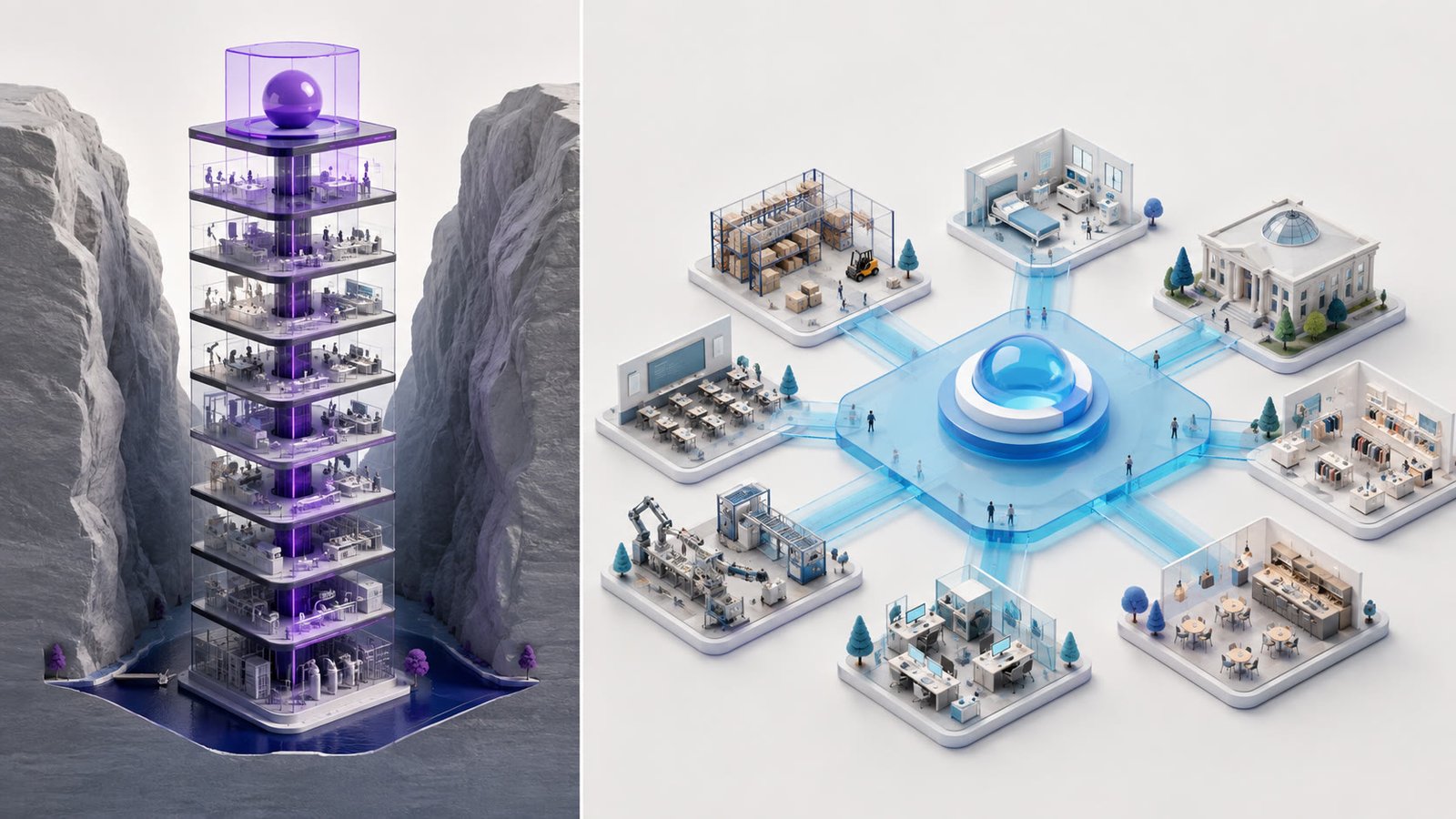
Compare the strategic trade-offs
Customer understanding
Vertical founders can develop a precise view of one buyer, workflow, and regulation. Horizontal founders need a shared job that remains valuable across segments.
Market and concentration
A vertical market may be smaller and exposed to one industry cycle or rule change. A horizontal market can be larger, but attention and distribution may be more expensive.
Product scope
Vertical products often expand along the customer’s operating chain: intake, scheduling, delivery, billing, and reporting. Horizontal products tend to deepen the function through collaboration, automation, administration, and integrations.
Sales and onboarding
Industry credibility, referrals, associations, and specialised implementation can help vertical sales. Horizontal products can use broader search, integrations, templates, and product-led onboarding, but may need different messages for each segment.
Pricing
A vertical product may charge by location, professional, case, asset, or transaction. A horizontal product often uses seats, usage, features, or organisation size. In both cases the unit should follow customer value, as explained in the SaaS pricing guide.
Defensibility
Depth of workflow, trusted data, integrations, implementation knowledge, and distribution can strengthen a vertical product. Horizontal defensibility can come from network effects, embedded collaboration, infrastructure scale, data, or a strong ecosystem. A long feature list alone is weak protection.
Hybrid paths are common
A product can start vertically and later offer a shared platform to adjacent industries. It can also start horizontally, then package specialised workflows, terminology, and integrations for selected verticals. The risk is expanding before the original segment is retained.
Choose with evidence
Start with your access and unfair understanding. Can you interview and sell to a specific industry? Is the workflow important enough to support specialist software? Are rules and integrations manageable? Alternatively, have you found a shared job where existing horizontal tools leave a clear gap and you have a credible distribution path?
Use the SaaS idea scorecard and compare patterns in our B2B SaaS examples. Then verify the problem. Vertical versus horizontal is not a status choice. It is a commitment about which complexity you are prepared to understand and operate.
Why this matters for Mauritius businesses
Mauritius is rolling out MRA e-invoicing in phases by taxpayer category. The timetable and status can change, and MRA may separately notify a taxpayer, so businesses should check the current MRA e-invoicing page and their own notices before acting on a deadline.
The Codeblix approach
Codeblix eInvoicing is MRA-listed as an EBS Solution Provider (SN 95, BRN C24214425). The system handles every aspect of MRA compliance automatically - real-time fiscalisation, IRN tracking, QR code generation, hash chain maintenance, and monthly transaction reporting. The local support team in Chamouny is available to help with any MRA query, audit, or transition question.
What to do next
If your present process does not support the fiscal-invoice requirements that apply to your business, document the gap and test an appropriate EBS workflow. Codeblix can review your business requirements and onboarding scope before preparing a proposal; regulatory conclusions remain with the taxpayer and its advisers.
Frequently asked questions
The most common questions about vertical vs horizontal saas: meaning, examples, and trade-offs are covered in the FAQ section below. If you have a question that is not covered, the local Codeblix support team is available by phone, WhatsApp, or email.
Related resources
Codeblix publishes a regular blog covering MRA e-invoicing, VAT compliance, payroll, and business management for Mauritius businesses. The blog is updated weekly with new guides, how-tos, and case studies. You can also find detailed product documentation, video tutorials, and a knowledge base in the Help Centre.
Frequently asked questions
What does vertical SaaS mean?
Vertical SaaS is designed around the specialized workflows, language, and constraints of one industry or closely related market.
What is horizontal SaaS?
Horizontal SaaS solves a function shared across many industries, such as collaboration, accounting, analytics, or customer support.